Driveway Drain Installation
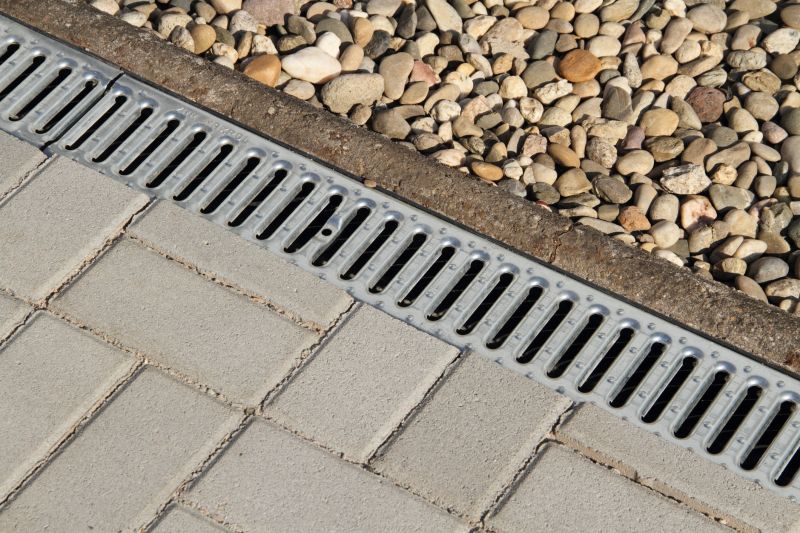
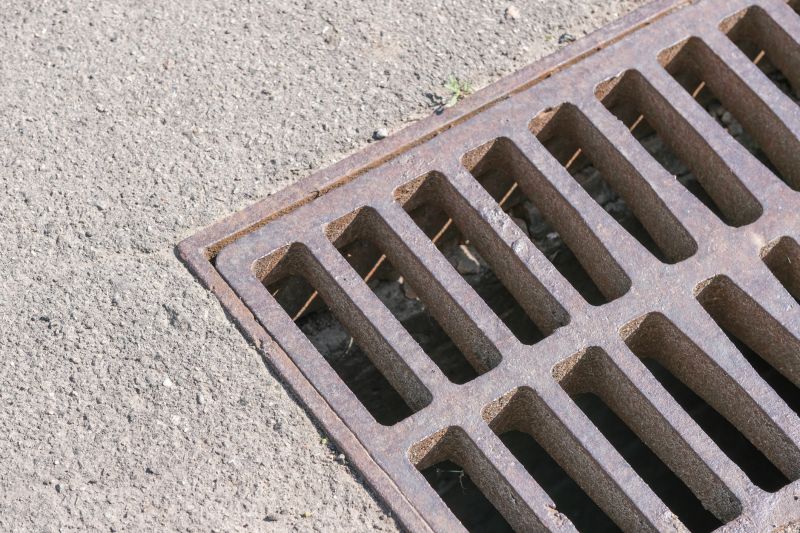
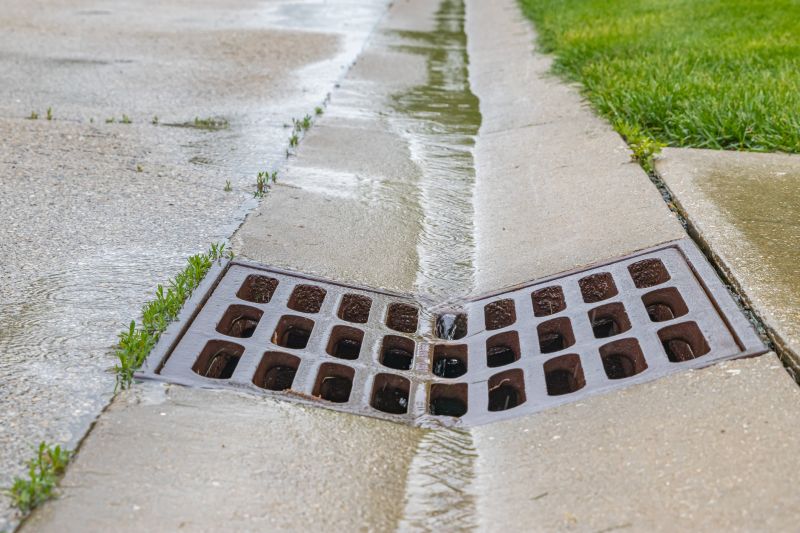
According to the National Association of Home Builders, improper driveway drainage is responsible for over 60% of pavement cracking and surface deterioration in residential areas. Professional driveway drains installation ensures water flows safely away from your property, protecting driveways, foundations, and nearby landscaping. Without proper drainage, standing water can seep beneath concrete or asphalt surfaces, causing costly structural damage over time. Expert driveway drain installation professionals use trench, channel, or French drain systems to manage runoff efficiently. This service not only extends the lifespan of your driveway but also enhances curb appeal and prevents pooling water after storms. Investing in quality drainage solutions improves both safety and property value while minimizing future repair needs.
3 Signs You Need Driveway Drains Installation
- 💧 Water Pooling After Rain: If puddles remain long after rainfall, it’s a sign your driveway lacks proper drainage. Excess moisture weakens pavement and causes cracks to spread. Installing driveway drains ensures rainwater flows away from your surface and foundation effectively.
- 🏠 Foundation or Garage Flooding: Water flowing toward your home or garage instead of away indicates poor grading. A driveway drain installation redirects this flow, protecting your property from water intrusion and basement leaks.
- ⚙️ Cracked or Eroded Driveway Surface: Repeated freeze-thaw cycles caused by trapped water can lead to premature cracking and sinking. Drainage installation helps prevent deterioration and maintains your driveway’s integrity year-round.
Before vs After Driveway Drains Installation
- Before: Standing water, cracked pavement, and soil erosion caused by poor drainage.
- After: Smooth, dry surfaces with efficient water runoff and improved driveway durability.
Benefits of Driveway Drains Installation
- Structural Protection: Proper drainage prevents water from seeping under concrete or asphalt, reducing the risk of cracks and foundation damage.
- Enhanced Safety: Eliminates slippery or icy patches caused by pooling water, making driveways safer for vehicles and pedestrians.
- Increased Longevity: Reducing water exposure extends the life of your driveway, minimizing the need for frequent repairs.
- Improved Curb Appeal: Clean, dry driveways look better and add value to your property by maintaining a polished, well-kept appearance.
- Cost Efficiency: Investing in a drainage system prevents costly foundation and surface repairs down the line, saving money over time.
Frequently Asked Questions About Driveway Drains Installation
💧 What type of driveway drain is best?
Trench and channel drains are most common for driveways, as they efficiently collect surface water and direct it away from your property. The best option depends on your landscape and slope.
🏠 Do driveway drains require maintenance?
Yes, drains should be cleaned periodically to remove debris and ensure smooth water flow. Professional maintenance once a year helps prevent clogs and backups.
🌧️ Can I install a driveway drain on an existing driveway?
Yes, professionals can retrofit drainage systems by cutting channels or adding underground piping without fully replacing your driveway.
⚙️ How long does driveway drain installation take?
Most installations take one to two days, depending on driveway size, materials, and the drainage system type.
💡 Will driveway drains prevent flooding near my garage?
Yes, when properly installed, driveway drains redirect water away from garages and foundations, preventing costly water damage.
Protect your home and driveway from water damage—use the contact form today to connect with a local driveway drains installation professional near you.