Optimal Seasons for Driveway Drain Installation
Proper timing for driveway drain installations is essential to ensure effective drainage and long-term durability. The optimal period depends on climate conditions, soil moisture levels, and project scope, with late spring through early fall generally considered ideal in many regions.
Late spring and early fall offer favorable weather conditions, reducing the risk of delays caused by rain or extreme temperatures.
Dry weather minimizes soil disturbance and allows for better compaction, enhancing the longevity of the drainage system.
Installing during periods of stable soil moisture prevents issues caused by frozen or overly saturated ground.
Scheduling in advance ensures availability of materials and contractors, avoiding seasonal rushes.
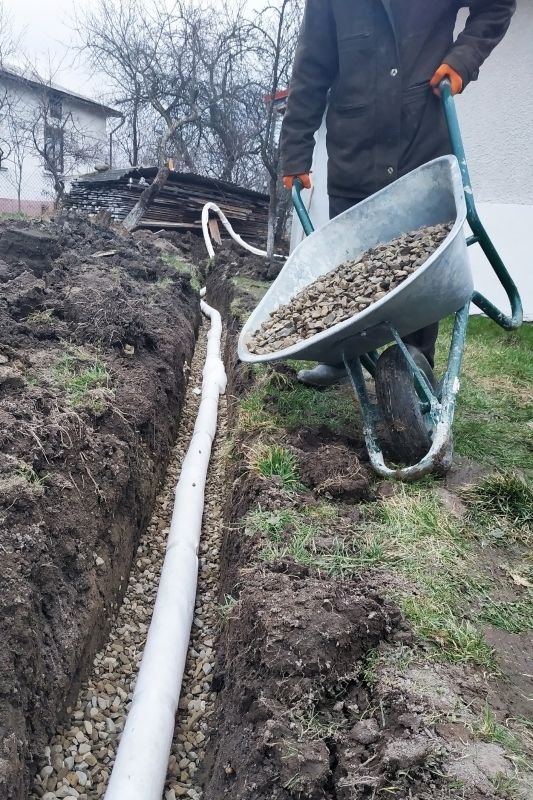
An excavation site showing drain placement with surrounding soil preparation.
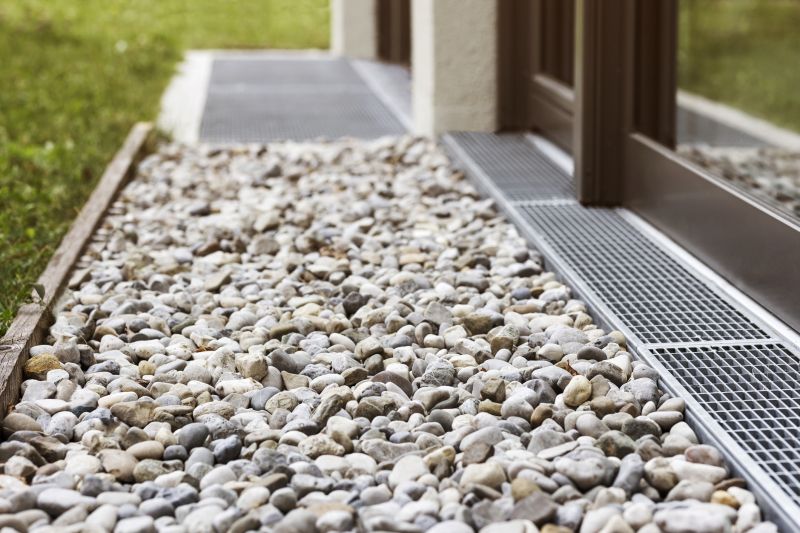
Close-up of gravel, pipes, and grates used in driveway drainage systems.
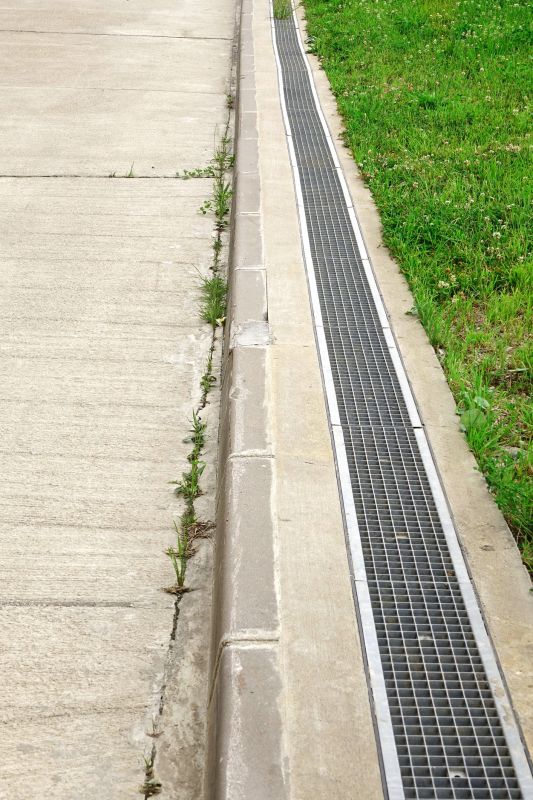
Completed driveway with integrated drainage installed and functional.
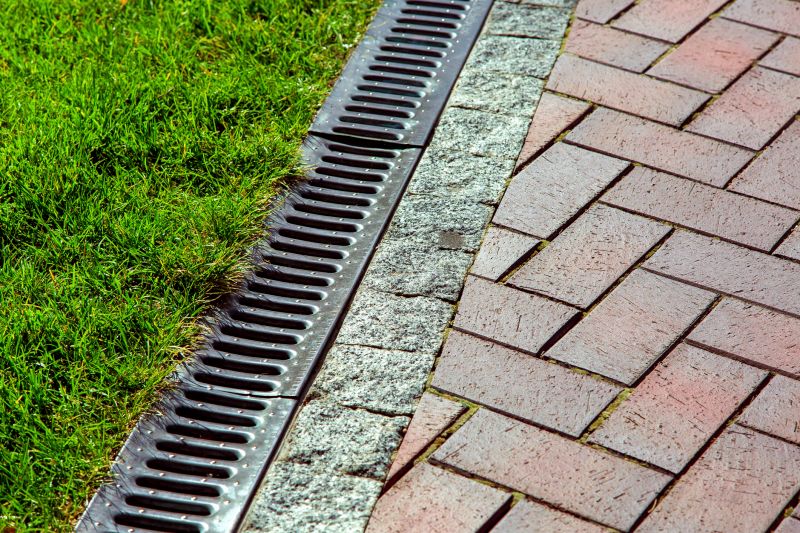
Ways to make Driveway Drain Installations work in tight or awkward layouts.
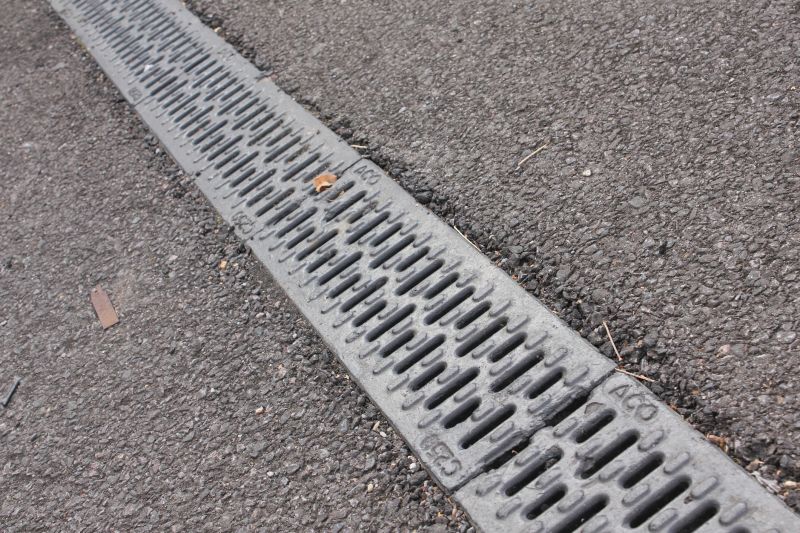
Popular materials for Driveway Drain Installations and why they hold up over time.

Simple add-ons that improve Driveway Drain Installations without blowing the budget.
| Season | Advantages |
|---|---|
| Spring | Optimal moisture levels, moderate temperatures, ideal for soil work. |
| Summer | Longer daylight hours, dry weather, suitable for scheduling. |
| Fall | Cooler temperatures, less rainfall, good for final installations. |
| Winter | Generally discouraged due to frozen ground and weather delays. |
Driveway drain installations play a critical role in managing water runoff, preventing erosion, and maintaining the integrity of the driveway surface. Proper installation involves precise excavation, placement of drainage components, and effective sealing to ensure water flows away from the driveway efficiently. Statistics show that correctly installed drainage systems can extend the lifespan of a driveway by reducing water-related damage and minimizing repair costs over time.
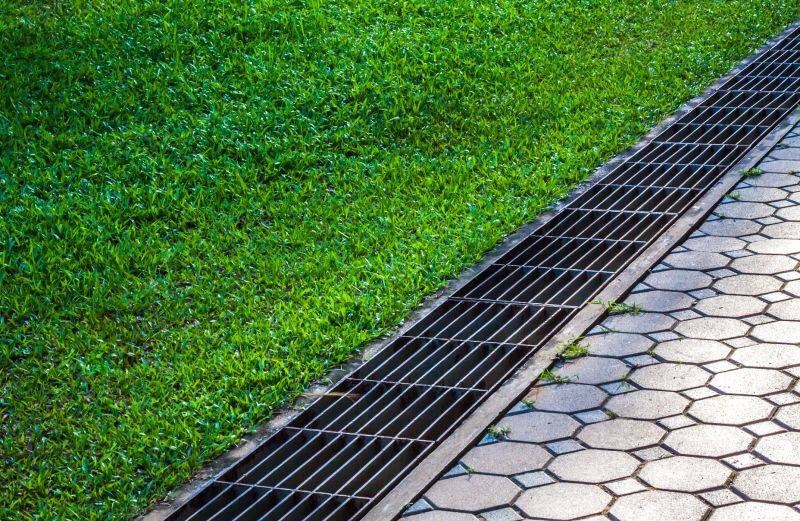
Various components like catch basins, pipes, and gravel beds.
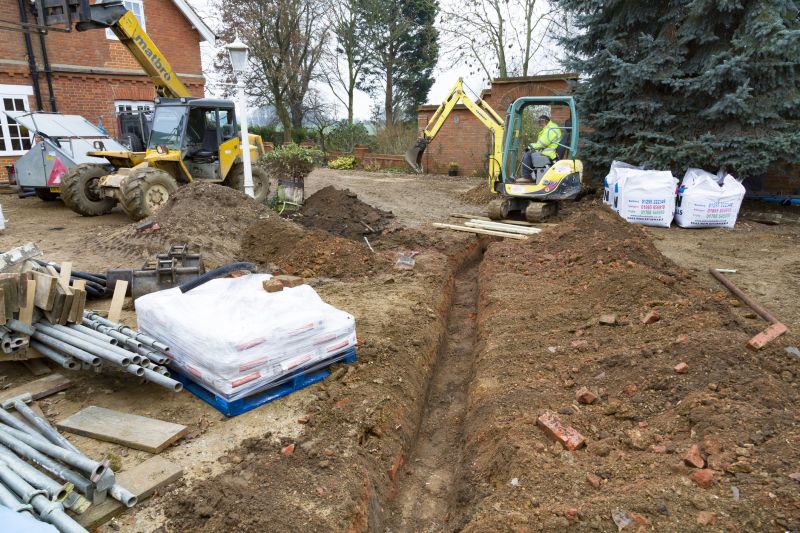
Heavy machinery preparing the site for drainage installation.
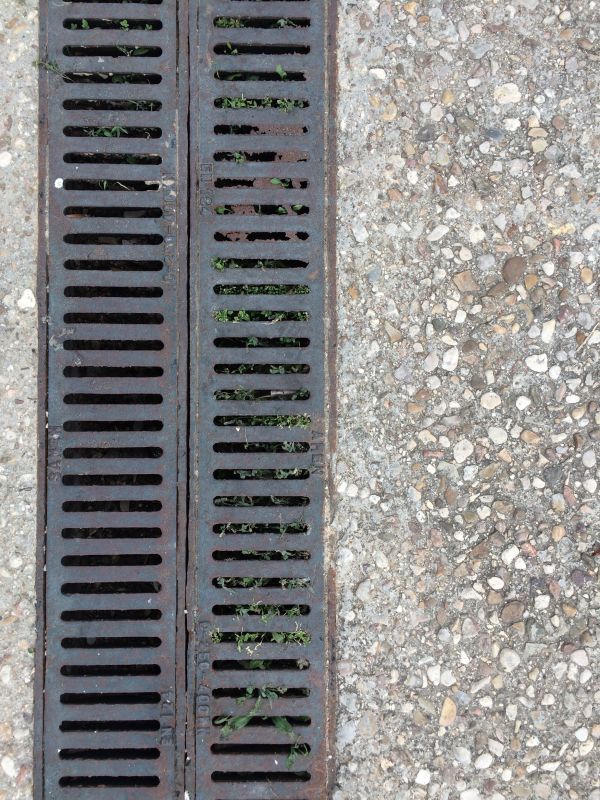
Installing grates over drainage openings for surface access.
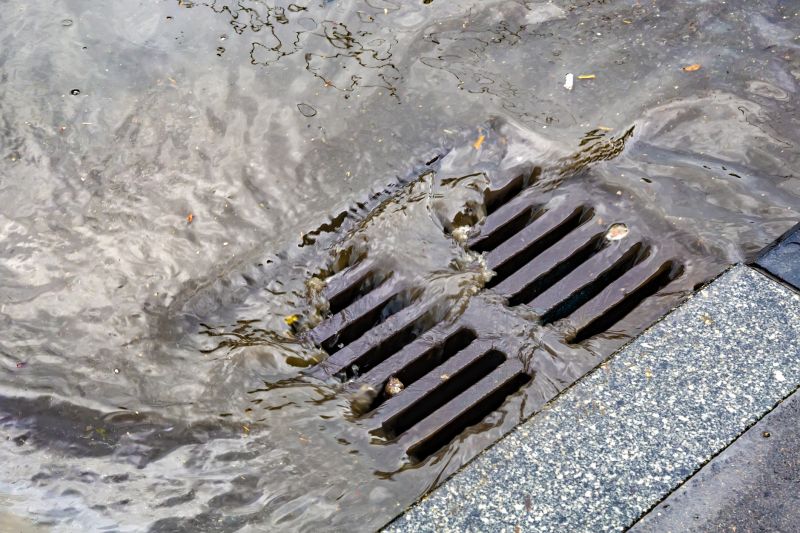
Ensuring proper water flow and system integrity after installation.

High-end options that actually feel worth it for Driveway Drain Installations.

Finishes and colors that play nicely with Driveway Drain Installations.
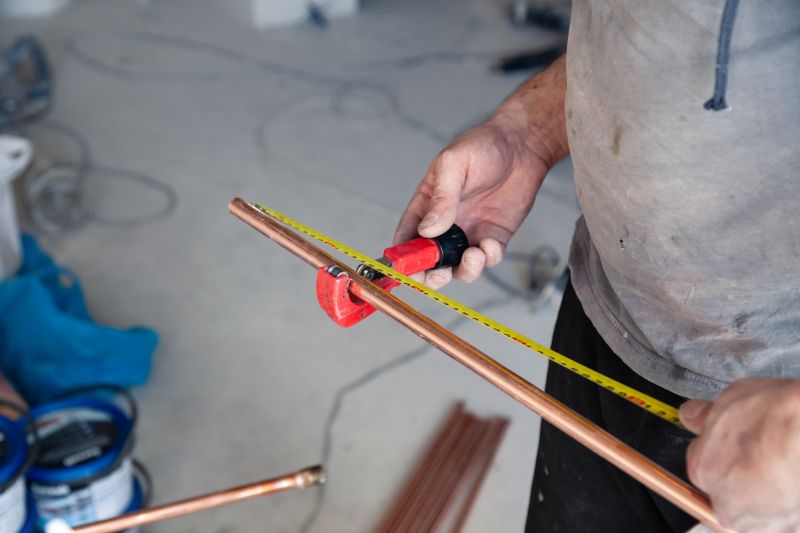
Little measurements that prevent headaches on Driveway Drain Installations day.
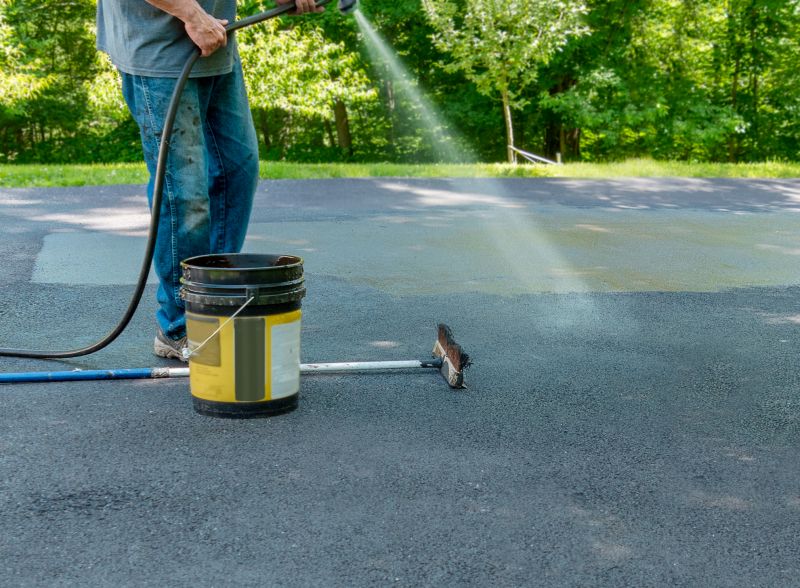
A 60-second routine that keeps Driveway Drain Installations looking new.
Individuals interested in driveway drain installations are encouraged to contact for further information or to schedule an assessment. Proper timing, preparation, and installation techniques contribute significantly to the effectiveness and durability of the drainage system, ensuring long-term performance and protection against water damage.