Get Drainage Pump Installation
Drainage pump installation services help property owners prevent flooding and water damage by installing pumps for basements, sump pits, or drainage systems with the help of local contractors.
Proper drainage is essential for maintaining the integrity and safety of many properties. Installing a drainage pump can help manage excess water, prevent flooding, and protect foundations, especially in areas prone to heavy rainfall or poor natural drainage. Property owners exploring drainage solutions often seek reliable local contractors who can assess their specific needs and recommend effective systems tailored to their property’s requirements. Continuing to read can provide valuable insights into how professional installation services can support long-term property health and resilience.
When planning drainage projects, it’s important to compare options offered by experienced service providers in the area. Local contractors bring knowledge of regional conditions and can provide guidance on the most suitable pump systems for different types of properties. Exploring available services helps property owners make informed decisions about their drainage needs, ensuring the installation process is handled efficiently and effectively by qualified professionals.
- Residential Drainage Pump Installation - needed when homeowners require effective removal of excess water from basements or yards.
- Commercial Drainage Pump Setup - essential for businesses that need reliable drainage solutions to prevent flooding in warehouses or retail spaces.
- Sump Pump Installation - necessary when properties experience frequent basement flooding or high water table issues.
- Stormwater Pump Systems - suitable for properties that need to manage heavy rainfall runoff and prevent water accumulation.
- Erosion Control Pump Solutions - used when sites require water management to stabilize soil and prevent erosion damage.
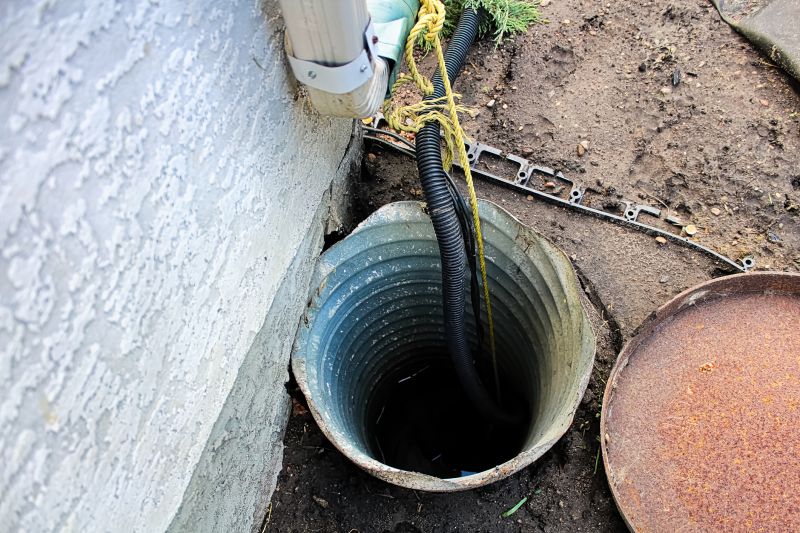
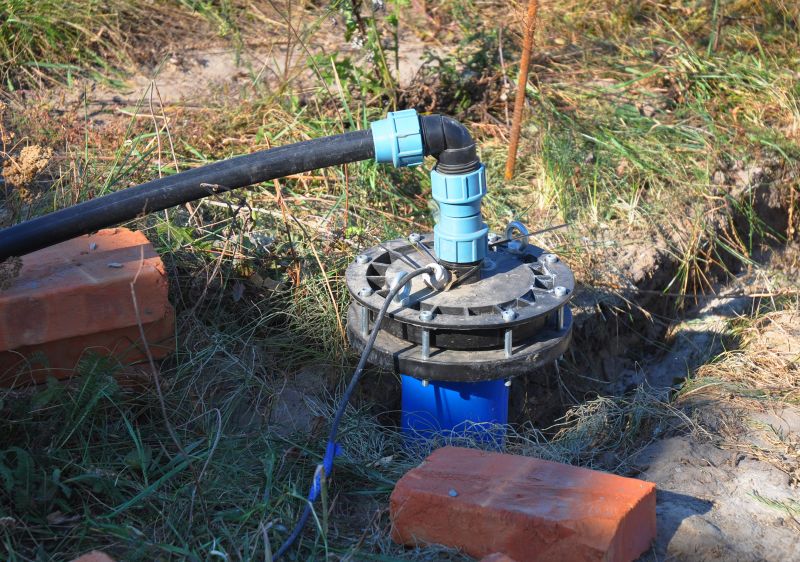
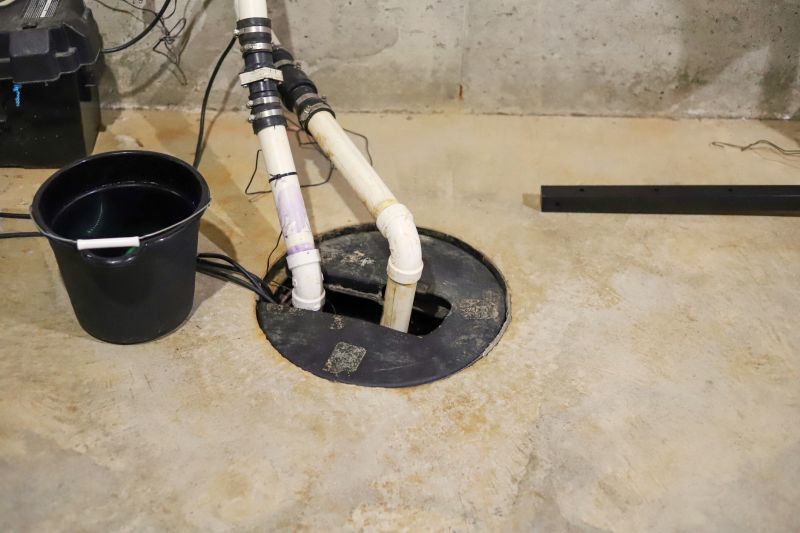
Drainage pump installation services involve setting up specialized equipment designed to move excess water away from a property. These systems typically include sump pumps, sewage ejector pumps, or other types of pumps tailored to address specific drainage challenges. The installation process ensures that the pump is properly positioned and connected to effectively manage water flow, helping to prevent water accumulation and protect the property’s foundation. Skilled contractors evaluate the property’s layout and water management needs to recommend the most suitable pump system, ensuring reliable operation and long-term performance.
This service is essential for solving a variety of drainage problems that can affect homes and properties. Common issues include basement flooding, water pooling around the foundation, or poor drainage during heavy rainfall. Without a proper drainage system in place, excess water can lead to structural damage, mold growth, and other costly repairs. Installing a drainage pump provides a dependable solution to keep water away from critical areas, reducing the risk of water damage and creating a safer, more stable environment for residents.
Properties that typically benefit from drainage pump installation include homes with basements, crawl spaces, or areas prone to flooding. These systems are also valuable for properties situated on uneven terrain or with poor natural drainage. Commercial buildings, garages, and properties with landscaping that directs water toward the foundation can also require these systems to maintain proper water flow and avoid water-related issues. Local service providers can assess the specific needs of each property to recommend and install the most effective drainage solution.
When considering drainage pump installation, homeowners should look for experienced local contractors who specialize in water management systems. Proper installation is crucial for ensuring the pump functions correctly and provides effective water removal. By working with qualified service providers, property owners can address existing drainage problems and prevent future issues caused by excess water. Contacting local experts can help determine the right system for a property’s unique needs, providing peace of mind and improved water control.
The overview below groups typical Drainage Pump Installation projects into broad ranges so you can see how smaller, mid-sized, and larger jobs often compare in your area.
In many markets, a large share of routine jobs stays in the lower and middle ranges, while only a smaller percentage of projects moves into the highest bands when the work is more complex or site conditions are harder than average.
Smaller Repairs - typical costs for minor drainage pump repairs usually range from $250-$600. Many routine fixes fall within this middle range, depending on the specific issue and parts needed.
Standard Installations - installing a new drainage pump generally costs between $1,000 and $3,000. Most projects in this category are straightforward and stay within this range, while more complex setups can be higher.
Full System Replacement - replacing an entire drainage pump system can range from $3,500 to over $7,000. Larger, more involved projects tend to push into the higher end of this spectrum, though many replacements fall into the middle tiers.
Complex or Custom Projects - highly customized or extensive drainage solutions can exceed $10,000. These are less common and usually involve specialized equipment or challenging installation conditions, leading to higher costs.
Actual totals will depend on details like access to the work area, the scope of the project, and the materials selected, so use these as general starting points rather than exact figures.
Basement Waterproofing Projects - local contractors often use similar drainage planning, waterproofing techniques, and pump installation skills to prevent water intrusion and manage excess moisture.
Stormwater Management Systems - designing and installing systems to control runoff involves skills in pump selection, piping, and site planning comparable to drainage pump installation work.
Sump Pump Installation - installing sump pumps requires knowledge of drainage systems, electrical connections, and site assessment, making it closely related to drainage pump projects.
Flood Prevention System Setup - setting up flood barriers and drainage solutions involves planning and technical skills similar to those used in drainage pump installation services.
Septic System Drain Field Installation - designing and installing drain fields involves understanding soil drainage, piping, and water flow management akin to pump installation tasks.
Water Feature and Pond Drainage - constructing and maintaining water features requires expertise in water circulation, drainage, and pump systems similar to drainage pump installation services.
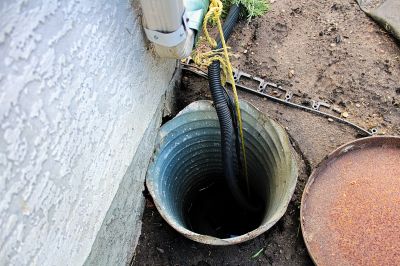
When comparing service providers for drainage pump installation, it’s important to consider their experience with similar projects. Homeowners should look for local contractors who have a proven track record of handling drainage pump setups comparable to the scope of their own needs. An experienced professional is more likely to understand potential challenges, recommend appropriate equipment, and ensure the system functions effectively over time. Asking about past projects or seeking references can provide insight into a contractor’s familiarity with drainage systems and their ability to deliver reliable results.
Clear written expectations are a key part of selecting the right service provider. Homeowners should seek out local contractors who can provide detailed information about the work involved, including the scope of installation, materials used, and any necessary preparations. Having a transparent outline helps prevent misunderstandings and ensures that both parties are aligned on what will be delivered. It’s also beneficial to request a list of reputable references or previous clients, which can serve as a way to verify the contractor’s reputation and quality of work before making a decision.
Good communication is essential when working with local service providers for drainage pump installation. Homeowners should prioritize contractors who are responsive, willing to answer questions, and able to explain technical aspects in understandable terms. Clear and open communication helps build trust and ensures that expectations are managed throughout the project. Since this site introduces homeowners to local options rather than performing the work itself, taking the time to evaluate how well a contractor communicates can lead to a smoother installation process and a more satisfactory experience overall.
Property owners use Drainage Pump Installation services for practical projects around their homes and businesses. This guide focuses on everyday jobs and straightforward project options.
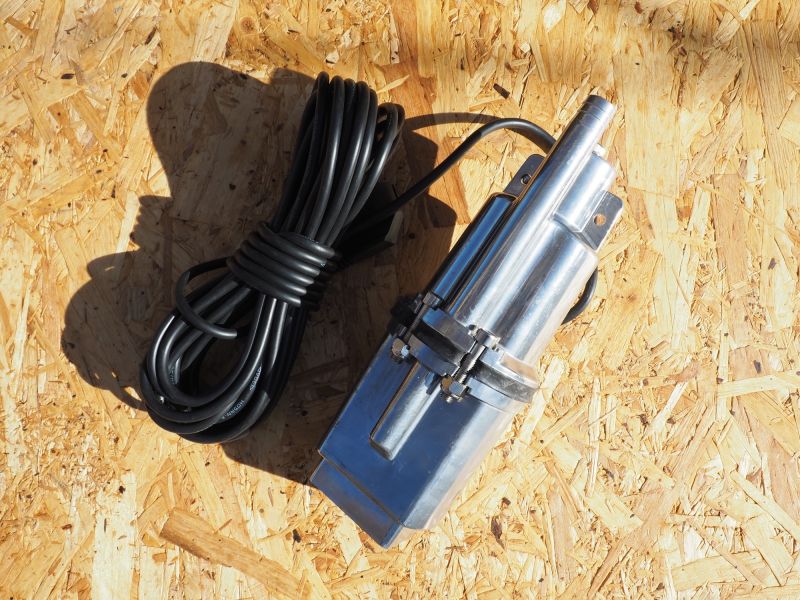
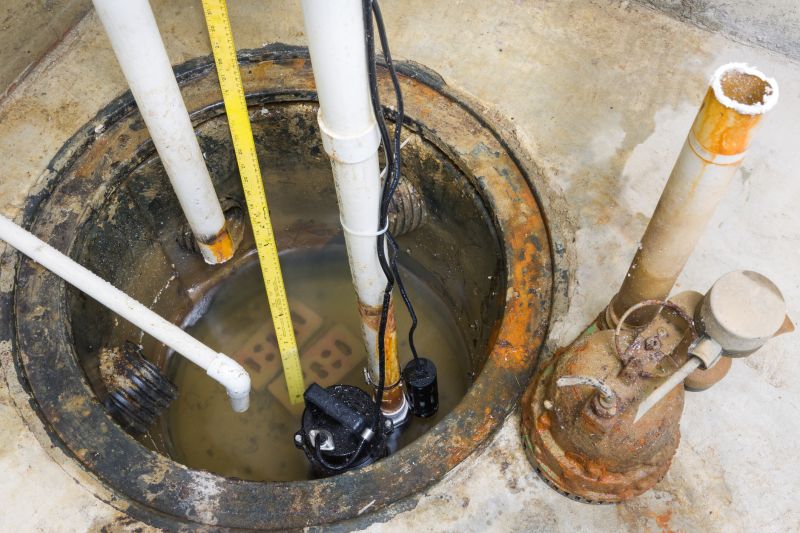
Drainage pump installation services are often sought after when property owners experience persistent flooding or water accumulation around their homes or businesses. Heavy rain, poor drainage systems, or changes in the landscape can lead to water pooling in basements, yards, or driveways, creating inconvenience or potential damage. Local contractors specializing in drainage solutions can help address these issues by installing reliable pumps that effectively remove excess water and protect the property’s foundation and landscaping.
Additionally, property owners may need drainage pump services when planning renovations or new constructions that require proper water management. Installing a drainage pump can prevent future water buildup that might compromise structural integrity or cause ongoing maintenance problems. Local service providers are equipped to handle these installations efficiently, ensuring that drainage systems function properly and reduce the risk of water-related issues over time.
What types of drainage pumps are suitable for installation? Local contractors can recommend various types of drainage pumps, such as sump pumps, effluent pumps, or sewage pumps, based on the specific drainage needs of the property.
How do I know if a drainage pump needs to be installed? Signs like frequent flooding, poor drainage, or water accumulation in basements may indicate the need for a drainage pump installation, which local service providers can evaluate.
What factors should be considered when installing a drainage pump? Factors include the property’s drainage requirements, the pump’s capacity, the outlet location, and existing plumbing, which local contractors can assess during a consultation.
Can drainage pumps be installed in existing drainage systems? Yes, many drainage pumps can be integrated into existing systems, and local professionals can determine the best approach for your setup.
What maintenance is required for drainage pumps after installation? Regular inspections, cleaning, and ensuring the pump is free of debris are common maintenance tasks that local service providers can perform or advise on.
Basement Drainage Solutions - Installing a drainage pump can help remove excess water from basements after heavy rains or flooding.
Yard Flood Prevention - Drainage pump systems can be used to manage standing water in yards and prevent water from pooling around the property.
Sump Pump Installation - A sump pump can be added to protect crawl spaces and lower levels from water intrusion during wet conditions.
Stormwater Management - Local contractors can set up drainage pumps to direct stormwater away from foundations and prevent erosion.
If you are thinking about Drainage Pump Installation for a property, this guide is meant to help you understand the work, the typical project types, and how different options might fit your plans.
When you are ready, you can use the quote form on this page to share a few details about your project. From there, local pros can review the basics and respond with options that match what you have in mind.