
Popular Driveway Drain Installation Products You Can Trust
Find highly recommended products that simplify installation and improve driveway durability and safety.
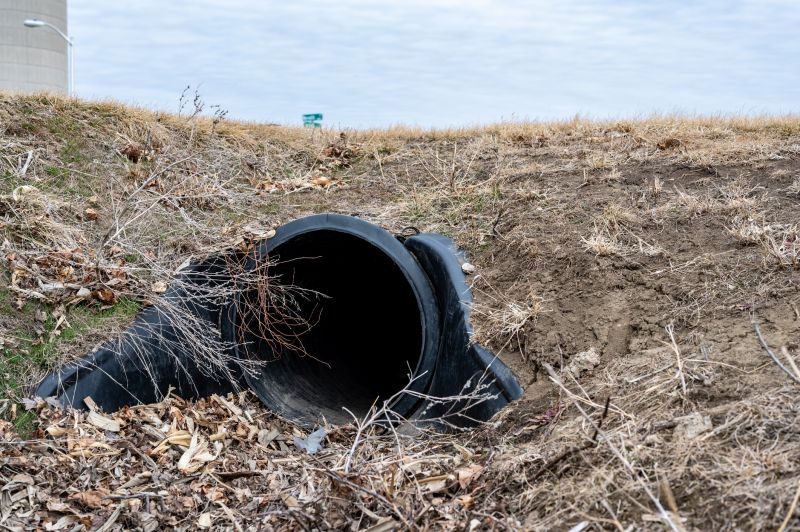 Installing an effective driveway drainage system is essential for maintaining the integrity and safety of your property. Proper drainage helps prevent water accumulation, erosion, and potential damage to your driveway surface and underlying foundation. When selecting products for driveway drain installation, it is important to consider factors such as durability, ease of installation, and compatibility with existing driveway materials. A well-designed drainage system can efficiently channel water away from high-traffic areas, reducing the risk of pooling and ice formation during colder months.
Top Overall Option
Modular Driveway Channel Drain System
A modular driveway channel drain system offers versatile and customizable options for managing surface water runoff. Composed of interlocking sections made from durable materials, this system can be adapted to various driveway widths and shapes. Its design facilitates easy installation and maintenance, making it suitable for both DIY projects and professional setups. The system's high flow capacity helps channel water efficiently away from the driveway, reducing pooling and erosion risks.
Types of Products For Driveway Drain Installations
Channel Drain Grates
Long, narrow grates designed to span across driveways, capturing surface runoff and directing it into underground pipes.
Trench Drain Systems
Deep, continuous drainage channels ideal for high-volume water flow areas, often used across the width of driveways.
Catch Basins
Containment units that collect surface water and connect to piping systems for underground drainage.
Flexible Drain Pipes
Corrugated or smooth piping options suitable for underground water diversion and connection to larger drainage networks.
Drainage Grates and Covers
Various grate designs that allow water entry while preventing debris entry, available in different materials and styles.
Perforated Drain Pipes
Pipes with small holes that facilitate water entry, used in French drain systems or gravel beds.
Gravel Bedding Materials
Crushed stones or gravel used to support drainage pipes and facilitate water movement.
Drainage Matting
Permeable mats that help direct water flow and provide stability for driveway surfaces.
Slope Adjusters
Accessories that help modify the slope of drainage channels for optimal water flow.
Sealant and Adhesives
Specialized products for sealing joints and connections in drainage systems to prevent leaks.
Drainage System Kits
Complete kits that include multiple components for a straightforward installation process.
Heavy-Duty Pipe Connectors
Robust connectors designed to join pipes securely and withstand environmental stresses.
Drainage Baskets
Protective baskets that prevent debris from clogging drainage outlets.
Adjustable Inlets
Inlet fittings that can be adjusted for height and flow rate, suitable for customized drainage setups.
Surface Water Diverters
Devices that redirect water away from driveways to prevent pooling.
Popular Choices
Widely used for their ease of installation and effective surface water management.
Flexible and modular, these are favored for their adaptability to different driveway layouts.
Commonly selected for their straightforward design and reliable water collection.
Popular for underground drainage, offering ease of installation and versatility.
Effective for subsurface drainage, often used where surface drainage alone is insufficient.
Chosen for their customization capabilities and ease of maintenance.
Preferred for high-traffic areas due to their durability and load-bearing capacity.
Popular for their scalability and ease of assembly in various driveway configurations.
Often selected for their ability to handle subsurface water collection efficiently.
Commonly used for their debris filtering capabilities and straightforward access.
Trending for their ability to optimize water flow in uneven terrain.
Popular for ensuring leak-proof connections in drainage assemblies.
Favored for providing all-in-one solutions that simplify installation.
Often chosen for their robustness in demanding environments.
Used to extend drainage pipes and direct water further away from driveways.
Trending for their ability to prevent water from pooling in problematic areas.
Driveway drainage products come in various forms, including channel drains, trench drains, catch basins, and flexible piping solutions. Each type serves a specific purpose depending on the driveway layout, slope, and water flow requirements. For example, channel drains are often used across the width of a driveway to intercept surface runoff, while catch basins collect water from multiple sources and direct it to underground piping. Selecting the right combination of these components ensures a comprehensive drainage setup tailored to your property’s needs.
Installation methods vary based on the product type and driveway configuration. Some systems require excavation and concrete work, while others are designed for quick installation with minimal tools. Proper planning involves assessing water flow patterns, measuring slope angles, and considering future maintenance access. Investing in high-quality products with corrosion-resistant materials can extend the lifespan of your drainage system and reduce long-term upkeep costs. Consulting with drainage specialists or contractors can also help determine the most suitable solutions for your specific situation.
Key Buying Considerations
- Assess the volume of water runoff your driveway receives to choose appropriately sized drainage solutions.
- Consider the material of the drainage components, prioritizing corrosion-resistant options for longevity.
- Evaluate the compatibility of the system with your driveway's surface type and existing infrastructure.
- Determine whether a surface-mounted or underground system best suits your maintenance preferences and aesthetic goals.
- Ensure that the selected products can handle the expected load, especially in high-traffic or heavy-vehicle areas.
- Check for ease of installation, especially if planning a DIY project, and review required tools and skills.
- Look into the system's capacity for debris filtration to minimize clogging and reduce maintenance needs.
- Consider modular options for flexibility in future modifications or expansions.
- Review the slope and grading requirements to ensure proper water flow and prevent pooling.
- Evaluate the warranty and manufacturer support to ensure product reliability and assistance if needed.
- Factor in local building codes or regulations related to drainage system installation.
- Think about the aesthetic integration with your driveway and landscape design.
- Assess the maintenance requirements and accessibility for cleaning and repairs.
- Determine if additional accessories, such as covers or connectors, are needed for a complete setup.
- Compare the overall cost, balancing quality features with your budget constraints.